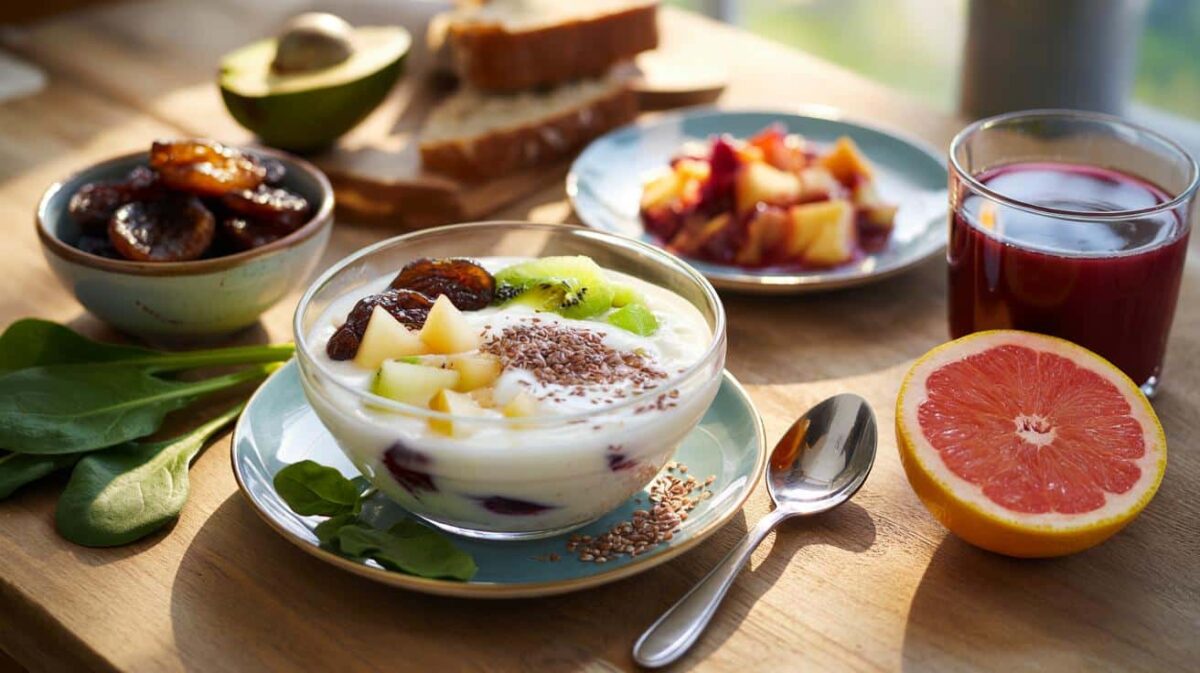
Food choices can quietly speed that up or slow it down.
Muscle loss after midlife isn’t just a vanity issue. It shapes how we walk, climb stairs, carry shopping bags, and stay independent. The good news: targeted protein, chosen wisely and used well, can help preserve strength without relying on meat or processed cold cuts.
Why protein matters more after 50
From about age 50 onwards, the body naturally loses muscle mass and strength, a process called sarcopenia. Hormones change, activity levels often drop, and muscles respond less efficiently to the same protein dose that used to be enough in our thirties.
After 50, every meal is a small “decision point” for your future strength: enough protein or not quite enough.
Researchers frequently highlight two elements that support muscle maintenance in older adults: regular movement, especially resistance exercises, and a steady intake of high-quality protein spaced across the day. Many people focus on steak and chicken breasts, yet there are convenient alternatives that avoid meat and cured meats entirely.
Three practical protein choices without meat or cured meats
1. Yogurt and its protein-rich cousins
Plain yogurt, especially strained varieties such as Greek-style, can quietly boost your protein target with almost no fuss. It slips into breakfast, becomes a quick snack, or rounds off a light lunch.
Compared with sugary fruit yogurts, plain versions typically contain more protein and less added sugar. That means more muscle-supporting nutrients for the same number of spoonfuls.
Natural and Greek-style yogurts provide both protein and calcium, supporting muscles and bones at the same time.
Cottage cheese and ricotta play a similar role but sit more comfortably in savoury meals. They work well at lunch and dinner, especially for those who want a lighter plate than meat or fish.
For people watching saturated fat, low‑fat ricotta or reduced‑fat cottage cheese can offer good protein with less impact on cholesterol and overall fat intake.
➡️ “Pulivo la cucina ma non sapevo che questa zona trattiene gli odori”
➡️ Lassativi naturali: scopri 8 alimenti contro la stitichezza
➡️ “Faccio il coordinatore della qualità e guadagno 53.700 euro l’anno”
➡️ Se preferisci fare la doccia la sera invece che al mattino, la psicologia dice questo su di te
➡️ Mettere una spugna qui prolunga la vita del frigorifero
➡️ “Sono un addetto alla documentazione tecnica e guadagno 2.850 euro al mese”
2. Whole eggs: compact, affordable nutrition
Eggs remain one of the most accessible high-quality protein sources on the planet. Each egg contains a mix of essential amino acids that the body uses to repair and build muscle tissue.
In the past, many nutrition guidelines suggested limiting eggs strictly because of cholesterol in the yolk. Current evidence paints a more nuanced picture: for most healthy people, moderate egg consumption fits comfortably in a balanced diet.
The egg yolk carries not only cholesterol but also vitamin D, B vitamins, choline and antioxidants that support overall health.
For older adults, eggs bring several advantages. They cook in minutes. They can be eaten softly scrambled for those with chewing issues. They can be added to soups, salads or vegetable dishes to turn a low-protein plate into a muscle-friendly meal.
3. Cottage cheese and ricotta as meal anchors
While technically part of the broader “yogurt and fresh dairy” family, cottage cheese and ricotta deserve their own spotlight. They are easy to portion, versatile in the kitchen, and can replace meat in many traditional recipes.
Cottage cheese has a slightly higher protein density than many standard yogurts and a mild flavour that pairs with both sweet and savoury foods. Ricotta delivers a soft texture that mixes well into pasta, baked dishes and vegetable plates, making it particularly friendly for older teeth and gums.
Cottage cheese and ricotta can turn a simple plate of vegetables or grains into a complete, protein-adequate meal.
For those with cardiovascular concerns, choosing low‑fat or “light” versions helps reduce saturated fat, while still providing a solid protein base.
How much protein do you actually need after 50?
General guidelines often sit around 0.8 grams of protein per kilogram of body weight per day. Many geriatric nutrition specialists now argue that people over 60 may benefit from slightly higher intakes, closer to 1.0–1.2 grams per kilogram, especially if they are active or recovering from illness.
| Body weight | Suggested daily protein range (approx.) |
|---|---|
| 60 kg | 60–72 g |
| 70 kg | 70–84 g |
| 80 kg | 80–96 g |
These numbers are not strict prescriptions, but they give a sense of scale. Many older adults barely reach half of these amounts, especially if they eat very little meat, skip meals, or rely heavily on bread and pasta.
Turning the three foods into real meals
Protein at breakfast
- Greek yogurt bowl: 150–200 g of plain Greek-style yogurt topped with berries, oats and a handful of nuts.
- Cottage cheese toast: wholegrain toast with cottage cheese, sliced tomato and a drizzle of olive oil.
- Egg-based start: two scrambled eggs with spinach and mushrooms, plus a small portion of fruit on the side.
These options can easily provide 15–25 grams of protein before midday, which supports muscle maintenance throughout the morning.
Lunch and dinner ideas without meat or cured meats
Yogurt, eggs, cottage cheese and ricotta can step into recipes that usually rely on ham, bacon or sausage.
- Vegetable frittata: eggs baked with courgettes, peppers and onions, served with a salad.
- Ricotta-stuffed vegetables: peppers or aubergines filled with ricotta and herbs, baked until golden.
- Pasta with ricotta: wholewheat pasta tossed with ricotta, broccoli and a splash of cooking water to form a creamy sauce.
- Baked potatoes with cottage cheese: jacket potatoes topped with cottage cheese and chopped chives.
None of these dishes require meat or cured meats, yet they offer a firm protein base and a satisfying texture.
Combining protein with movement
Protein alone cannot prevent age-related muscle loss. Muscles need a reason to stay. Regular movement sends that signal, and protein provides the raw material.
The best results appear when resistance exercises and protein-rich meals work together, especially at breakfast and after activity.
Simple routines—such as bodyweight squats using a chair for support, light dumbbell exercises, or resistance bands—can be done at home in 15–20 minutes. Having a protein-rich snack or meal within a couple of hours of training can support muscle repair.
Managing common concerns: cholesterol, weight and digestion
Three worries often arise: “Will eggs raise my cholesterol?”, “Will dairy make me gain weight?” and “What if I struggle to digest these foods?”
For most people, moderate egg intake fits safely into a heart-conscious diet, especially if the rest of the pattern is rich in vegetables, fibre and unsaturated fats. Those with existing cardiovascular disease or diabetes should still discuss egg frequency with their healthcare provider.
As for weight, high-protein foods can actually support weight management. They tend to increase satiety, reducing the urge to snack on ultra-processed, low-protein foods later in the day.
Digestion can be more delicate with age. Some older adults experience lactose intolerance. Yogurt and many cottage cheese products are naturally lower in lactose than milk. Lactose-free versions of these foods are widely available and can offer the same protein benefits without discomfort.
A day in practice: a simple scenario
Imagine a 68‑year‑old person, about 70 kg, who wants to stay strong, avoid meat and skip cured meats. A realistic day could look like this:
- Breakfast: bowl of Greek yogurt with fruit and oats (around 20 g of protein).
- Lunch: vegetable frittata made with two eggs, plus a side salad and a slice of wholegrain bread (about 18–20 g).
- Snack: small pot of cottage cheese with sliced cucumber (10–12 g).
- Dinner: wholewheat pasta with ricotta and broccoli (20 g or more, depending on portion).
By the end of the day, protein intake comfortably reaches the suggested range, all without meat or processed meats, and with relatively simple cooking.
Adding two or three short resistance-training sessions per week, plus regular walks, can turn this eating pattern into a genuine strategy for preserving muscle mass and independence after 50.